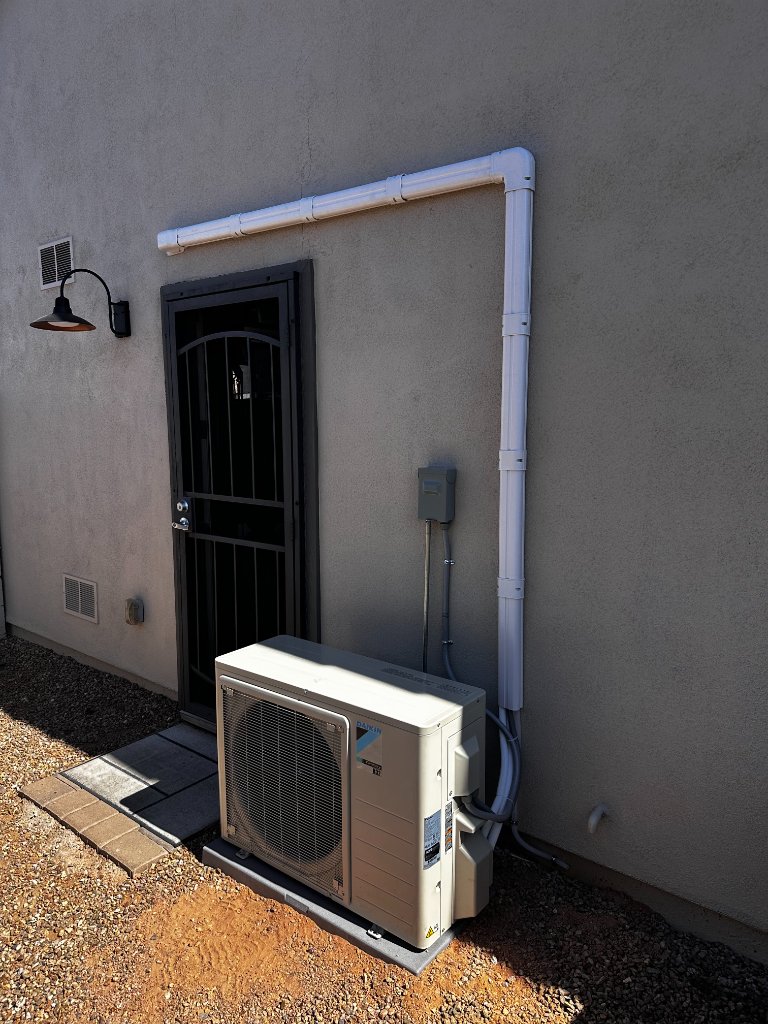
One of the biggest selling points of a ductless mini-split is how quiet it is. Most modern indoor units operate between 26 and 40 decibels — roughly the sound of a whisper to a quiet library. So when your mini-split starts rattling, buzzing, grinding, or clicking, it's not just annoying. It's your system telling you something has changed.
Different noises mean different things. A gentle rattle might be a loose panel that takes five minutes to tighten. A grinding or scraping sound, on the other hand, could mean metal-on-metal contact that's actively destroying a fan motor or compressor. A hissing or bubbling sound might indicate a refrigerant leak, which requires immediate professional attention.
The most important thing is to listen carefully and note when the noise happens — at startup, during normal operation, or at shutdown. This information helps a technician diagnose the problem quickly and come prepared with the right parts. If you hear grinding, screeching, or hissing, turn the unit off immediately. Running it with those symptoms can turn a small repair into a system replacement.
Signs Your Mini-Split Has This Problem
If you're experiencing mini-split making strange noises, you'll typically notice one or more of the following:
- Rattling or vibrating sounds from the indoor or outdoor unit
- Buzzing or humming that's louder than normal operation
- Grinding or scraping metal-on-metal sounds
- Clicking sounds when the unit starts or stops
- Squealing or screeching from the fan motor
- Bubbling or hissing sounds from the refrigerant lines
What Causes Mini-Split Making Strange Noises?
Understanding the root cause is the first step toward fixing it. Here are the most common reasons we see mini-split making strange noises in mini-split systems across the Phoenix Valley:
Loose Parts or Panels
Screws, panels, and fan blades can loosen over time from vibration, causing a rattling sound. This is common in units that have been running for several years.
Failing Fan Motor
Fan motors in both indoor and outdoor units can develop bearing wear, producing grinding, squealing, or humming sounds as they approach failure.
Debris in the Fan
Leaves, twigs, or debris can get into the outdoor fan, causing a scraping or thumping sound when the blades hit the obstruction.
Refrigerant Flow Issues
Bubbling or hissing sounds can indicate a refrigerant leak or improper refrigerant charge. This requires immediate professional attention.
Failing Capacitor or Contactor
A buzzing sound from the outdoor unit when it tries to start can indicate a failing capacitor or a stuck contactor — the compressor is trying to start but can't.
Improperly Mounted Unit
If the indoor or outdoor unit wasn't securely mounted, normal vibration is amplified into audible rattling against the wall or mounting surface.
Simple Things You Can Check First
Before calling a technician, there are a few safe and simple checks you can do yourself. These won't fix every problem, but they rule out the easy stuff — and they're free:
- Listen carefully to identify where the noise is coming from — indoor unit, outdoor unit, or the line set between them
- Check if any objects near the outdoor unit are vibrating against it
- Turn the unit off if you hear grinding or scraping — continuing to run could cause further damage
- Note when the noise happens — at startup, during operation, or at shutdown — this helps the technician diagnose
Safety note: Do not open the unit or attempt electrical or refrigerant repairs yourself — those require a licensed professional.
How Our Technicians Fix It
When you call Core Comfort HVAC, our licensed technicians will diagnose the exact cause and recommend the right fix. Here's how we approach mini-split making strange noises:
Tightening & Securing
We inspect and tighten all panels, screws, and mounting hardware to eliminate rattling and vibration noise.
Fan Motor Replacement
Failing fan motors are replaced with quality OEM or compatible units to restore quiet operation.
Debris Removal & Cleaning
We clear debris from the outdoor unit, clean the fan blades, and ensure proper clearance.
Refrigerant Leak Repair
For hissing or bubbling sounds, we locate and repair refrigerant leaks, then recharge the system.
Electrical Component Replacement
Faulty capacitors, contactors, and relays are replaced to restore proper compressor startup.
Mounting Correction
We re-secure or remount units that have come loose from their mounting brackets or wall plates.
When to Call a Professional
Grinding, screeching, or hissing sounds mean you should turn the unit off immediately and call for service. These noises often indicate problems that will cause expensive damage if the unit keeps running. Rattling and buzzing are less urgent but should still be addressed to prevent further wear.
Frequently Asked Questions
Is a noisy mini-split dangerous?
It can be. Grinding sounds may indicate metal-on-metal contact that can destroy fan blades or motors. Hissing sounds may indicate a refrigerant leak. Turn the unit off and call for service to prevent costly damage.
Why is my mini-split louder at night?
Background noise is lower at night, making unit noise more noticeable. However, if the noise level has genuinely increased, something has changed — usually a loose part or failing bearing.
How quiet should my mini-split be?
Most modern mini-splits operate at 26–40 decibels for the indoor unit — roughly the sound of a whisper to a quiet library. If yours is noticeably louder than this, there's likely an issue.